

Could your headaches be connected to jaw discomfort?
Jaw stiffness, headaches, and facial tension can disrupt everyday life — but you do not have to mask symptoms forever. At Longmont Dental, Dr. Kurt and Dr. Wyatt Knechtel help Longmont and Boulder County patients find the root cause of TMJ-related discomfort and explore conservative, personalized care that supports lasting relief.
Relief that goes beyond masking pain
Chronic headaches, facial pain, earaches, and jaw stiffness can range from disruptive to debilitating. Pain medications may provide temporary symptom relief — but they do not address what is actually causing the problem.
At Longmont Dental, we get to the bottom of what is causing your symptoms. That root-cause approach helps many patients reduce or eliminate their reliance on pain medications and move toward lasting comfort.
Easing headaches and facial tension
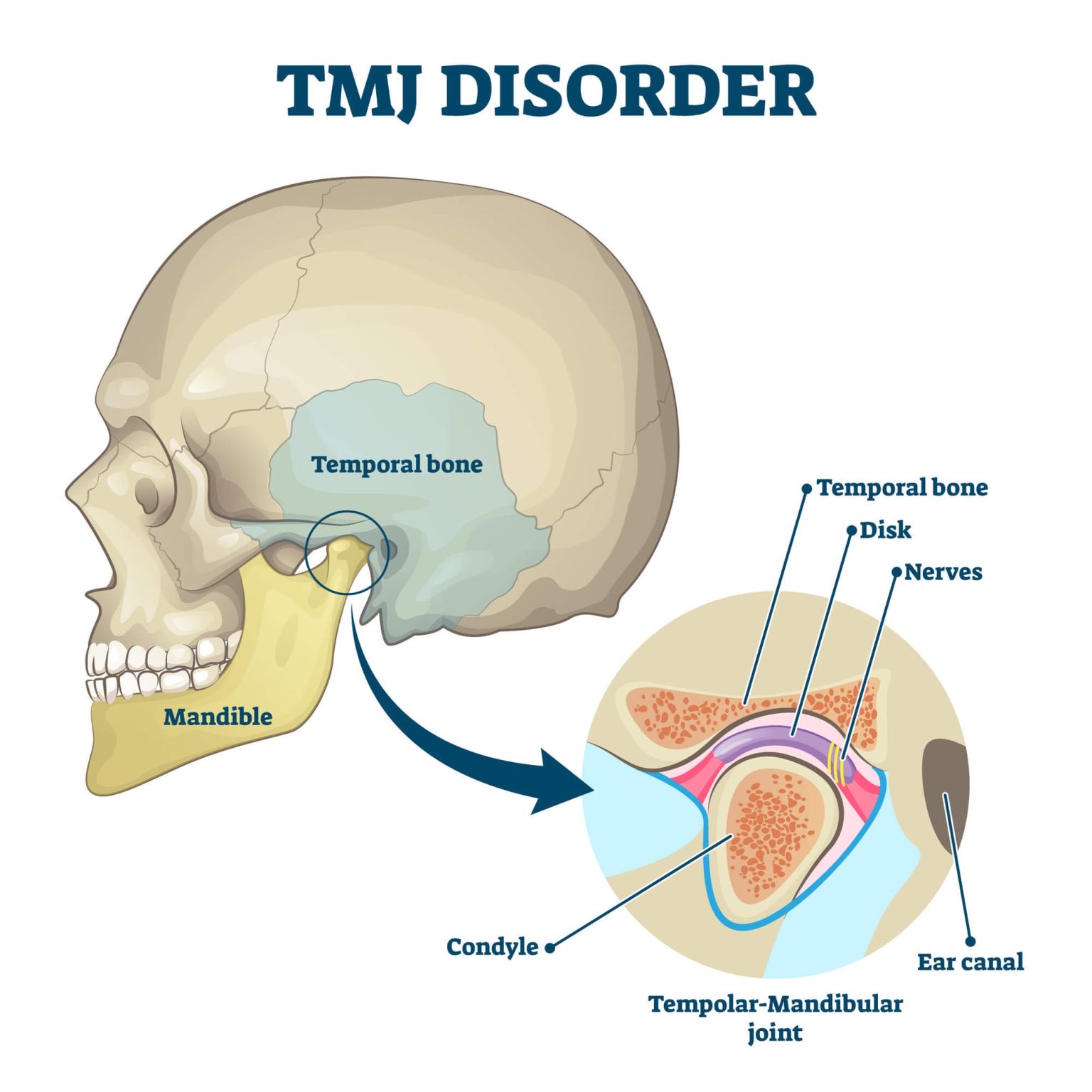
TMJ disorders affect the hinge-like joints on both sides of your face — joints you use every time you chew or speak. When something is off, a slight malfunction is hard to ignore.
You may notice jaw pain, tenderness, or stiffness — especially when chewing or speaking. Headaches, earaches, jaw locking, or popping sounds from the jaw joints are also common signs worth discussing with your dentist.
Understanding what is really going on
TMJ is associated with many different conditions — from chronic teeth grinding and stressful habits to bite imbalance and worn dental restorations. Since the symptoms overlap, it is critical to understand the root cause before recommending treatment.
That is the only way to effectively resolve or treat the condition. Over time, episodes of TMJ syndrome can occur with greater frequency and severity without the right diagnosis — which is why a thorough evaluation comes first.
Treating the whole person, not just teeth
We at Longmont Dental take great pride in treating the whole person. Dr. Kurt W. Knechtel, DMD, and our team get to know patients — their interests, passions, motivations, habits, preferences, and goals.
These factors transcend what one typically thinks of when they hear the word dentist. Evaluating and treating chronic headaches, facial pain, and jaw symptoms is another way we support more than teeth and gums — because your comfort affects how you live every day.
Conservative, personalized care
Depending on what Dr. Knechtel finds after talking with you and following a thorough evaluation, your treatment may be as straightforward as modifying behaviors or habits — like limiting or forgoing chewing gum and other chewy foods that can stress the jaw joints and interconnected oral structures.
Our team also enjoys demonstrating and recommending exercises that can strengthen the joints. Some patients find relaxation techniques beneficial, too — emotional stress has been implicated in oral issues like bruxism and TMJ syndrome.
Committed to lasting relief
We get to the root cause of TMJ pain and symptoms and offer effective treatments aimed at lasting relief — not a quick fix that wears off.
Dr. Knechtel offers a diverse array of services and evaluates each patient individually. Because TMJ problems have so many possible causes, personalized planning is essential to finding what actually works for you.
When jaw joints are under stress
The temporomandibular joints on either side of your face function like hinges, connecting the jaw to the skull. When the joints are in good working order, they facilitate smooth, comfortable motion.
When the joints are stressed, movements become painful and your range of motion may be limited. Imbalances related to poor bite, misalignment of the teeth, and worn-down restorations can contribute — so orthodontic or dental treatments can sometimes make a world of difference by restoring healthy balance between the teeth and jaws.
Your personalized treatment plan
We may find that bruxism — chronic teeth grinding — is contributing to your symptoms, as well as damage to teeth and dental restorations. A customized oral appliance, or nightguard, is typically worn while you sleep, when many patients grind and clench. Other lightweight devices can prevent contact between back teeth when you bite down, alleviating excessive force on the jaws.
When all interconnected oral structures work together in harmony, seamless movement and function are supported. Your dentist will recommend the combination of habit changes, appliances, exercises, and dental care that fits your situation — starting with the least invasive options appropriate for you.
Take back control of your comfort
Don’t let persistent jaw pain and headaches take control of your life. At Longmont Dental, we are committed to helping you manage jaw discomfort with personalized TMJ treatment.
Dial (720) 815-4733 and schedule an appointment with our team today — serving Longmont, Boulder County, and Northern Colorado.
A conservative path to jaw comfort
TMJ care starts with understanding the cause of your symptoms, then matching treatment to what your jaw, bite, habits, and stress patterns need.
What happens before a TMJ treatment plan is recommended?
A conservative path to jaw comfort
TMJ care starts with understanding the cause of your symptoms, then matching treatment to what your jaw, bite, habits, and stress patterns need.
What happens before a TMJ treatment plan is recommended?
- 1
Describe symptoms
Jaw pain, headaches, earaches, locking, popping, and stiffness help your dentist understand the pattern.
- 2
Evaluate root causes
Your dentist looks for contributors such as grinding, clenching, bite imbalance, worn restorations, or stressed joints.
- 3
Start conservatively
Many plans begin with habit changes, exercises, relaxation support, or a custom nightguard when appropriate.
- 4
Adjust the plan
The goal is lasting relief by treating the underlying cause rather than masking symptoms alone.
TMJ symptoms can have many causes. Your dentist will recommend care only after an evaluation.
TMJ treatment questions
Answers about jaw pain, TMD, and conservative care at Longmont Dental — from our prepared patient information.
Ready for dental care that feels like family?
Start with the simplest next step: request an appointment, call the office, or get directions before your first visit.
Use the Call, Directions, or Request options below to get started.