

Dental Technology That Makes Visits Easier
CEREC, 3D scanners, CBCT imaging, DentalVibe, and Fotona LightWalker laser dentistry support the things patients care about most: less pain, fewer appointments, more accuracy, and faster treatment.
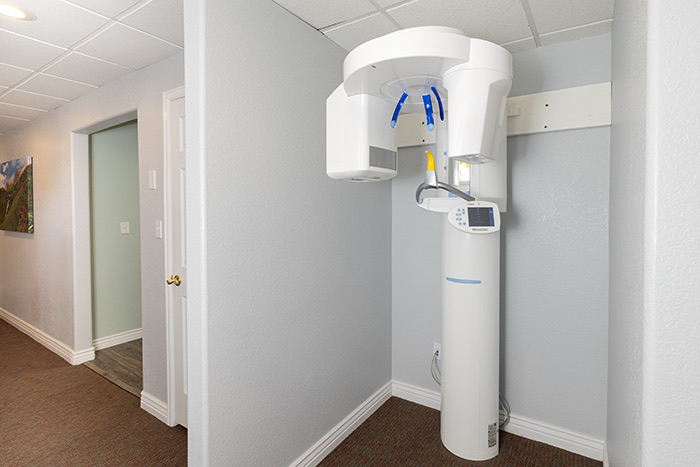
Orthophos XG 3D Imaging
A cone-beam 3D scanner (CBCT) by Dentsply Sirona that rotates a full 360° around you, capturing remarkably clear three-dimensional images of your teeth, jaw, and airway in seconds — with the dose tailored to each patient.
Why it matters for you
Faster, more comfortable scans and clearer diagnoses — so plans for implants, root canals, and orthodontics are more precise, and you can see what we see on screen.
3D imaging that supports planning
When a case needs a clearer picture, cone-beam imaging helps your dentist understand teeth, jaw, airway, and surrounding structures before recommending next steps.
How does 3D imaging help me understand my options?
Quick scan
The scanner rotates around you and captures detailed images in seconds.
Clearer view
Cone-beam images show a big-picture view of the mouth and nearby structures from multiple angles.
Personalized settings
Volume, dose, and image quality can be adjusted to the diagnostic need.
Shared plan
Images can be reviewed on screen so you can understand what your dentist sees.
Your dentist recommends 3D imaging only when it supports diagnosis or treatment planning for your situation.
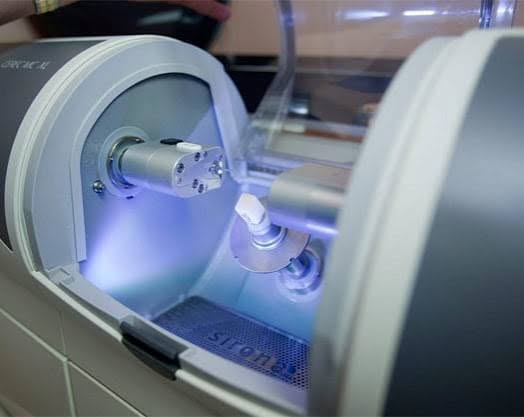
CEREC Same-Day Crowns
Chairside CAD/CAM technology that scans, designs, and mills a custom porcelain restoration right in the office — no putty impressions and no temporary crown. (Full details on the Services page.)
Why it matters for you
Leave the same day with a natural-looking, metal-free crown — often in a single visit.
Traditional visits vs. same-day care
Two-visit crown
Often a temporary crown, a separate appointment, and waiting while a lab makes your restoration.
Same-day CEREC
Digital scan, in-office milling, and a finished crown in one appointment when clinically appropriate.
Same-Day Crown Journey
When clinically appropriate, many crowns can be scanned, designed, milled, and placed in a single appointment — often without a temporary crown or a separate return visit.
What happens during a same-day crown visit?
Scan
A digital scan captures the tooth shape, replacing messy putty impressions when same-day care is planned.
Design
Your dentist designs the restoration on screen and checks how it should fit your tooth and bite.
Mill
A custom ceramic crown is milled right in the Longmont Dental office while you wait.
Fit
Your dentist tries in the crown, checks the margins and bite, and makes adjustments before final placement.
Final crown
The finished crown is bonded the same day when the tooth, bite, and clinical plan are right for it.
Same-day crowns are not right for every tooth. Your dentist will recommend the approach that fits your situation.
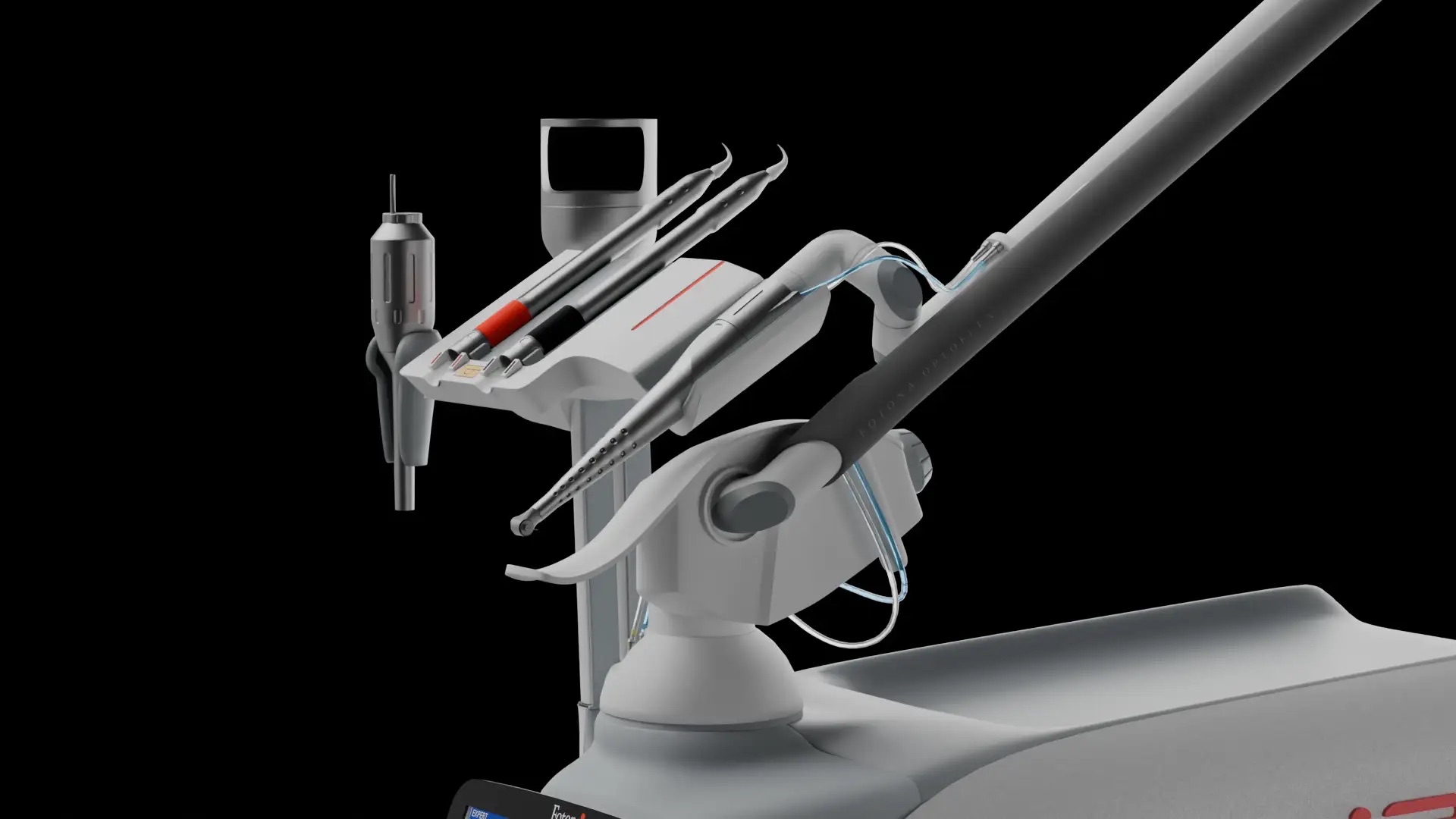
Fotona LightWalker Laser
An advanced dental laser for both soft- and hard-tissue care — from gum therapy to cavity preparation — using precise, light-touch energy in place of drills and scalpels. (Full details on the Services page.)
Why it matters for you
Gentler, more precise treatment with less anesthesia, less discomfort, and faster healing — especially welcome for anxious or younger patients.
Laser Dentistry / Fotona LightWalker explainer
Laser care is selected when it fits the procedure and the patient, with the goal of treating the right area precisely and comfortably. At Longmont Dental, the technology supports calmer care from a team patients know.
How does laser dentistry change the visit experience?
- 1
Assess the need
Your dentist first confirms whether laser care is appropriate for the tissue and treatment goal.
- 2
Choose the laser approach
Soft- or hard-tissue settings are selected for the specific application.
- 3
Target the problem area
Light energy interacts with oral tissues so diseased or damaged areas can be treated precisely.
- 4
Preserve comfort
When clinically appropriate, the light-touch approach can reduce common fear triggers and support easier recovery.
Laser dentistry is not right for every procedure. Your dentist will explain whether it fits your treatment.
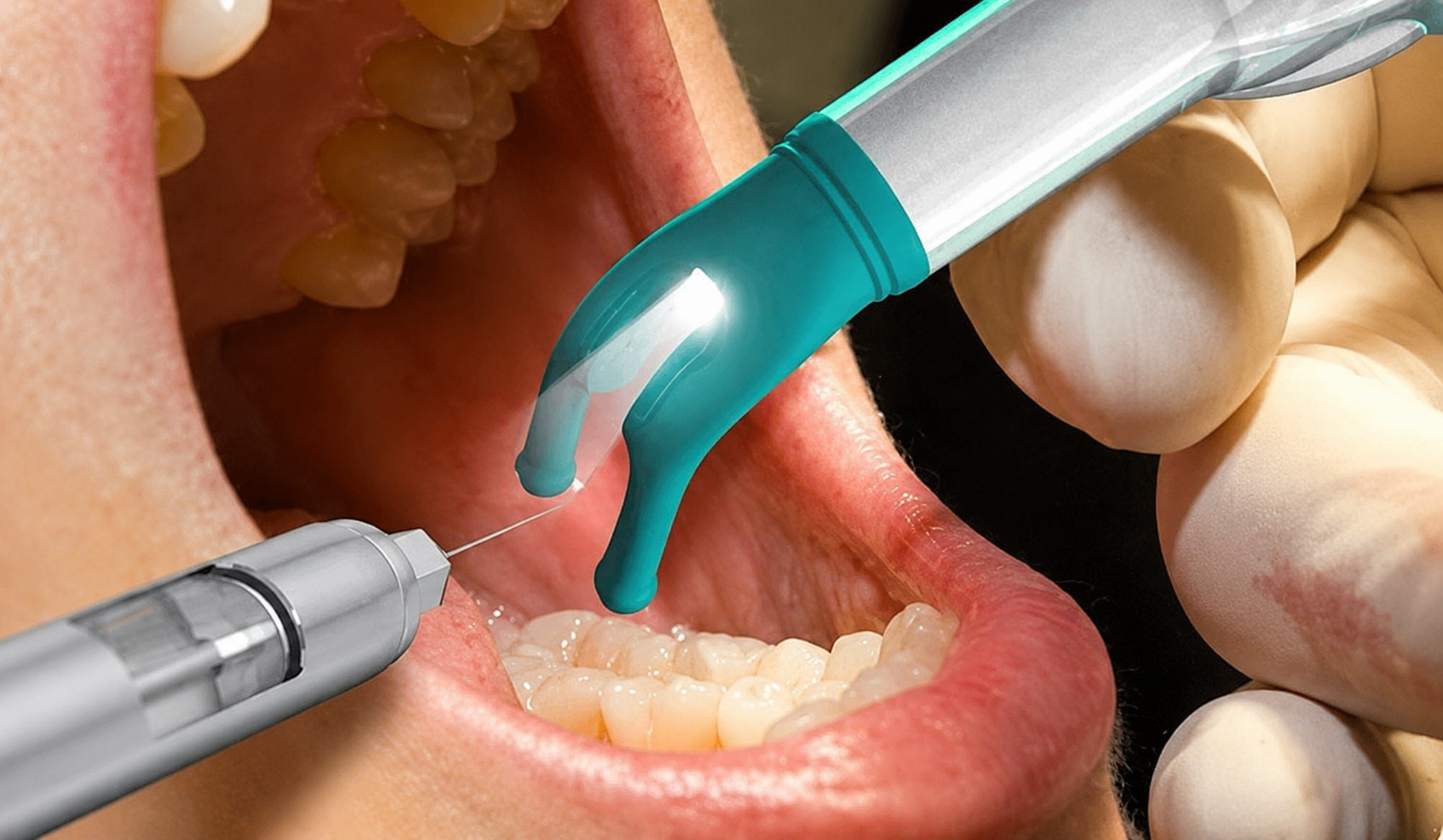
DentalVibe Comfort Injections
A gentle, toothbrush-sized device that delivers soothing vibration to the gums during an injection. Based on the Gate Control Theory of pain, the vibration blocks the discomfort signal — so many patients don't notice the injection at all.
Why it matters for you
Calmer, more comfortable numbing for nervous patients and kids — a real step toward an anxiety-free visit.
DentalVibe comfort explainer
DentalVibe supports the part of the visit many anxious patients worry about most: getting numb before treatment begins. The device is a comfort tool, not the focus of care.
What happens before and during the injection?
- 1
Talk about anxiety
Your dentist starts by understanding what makes visits stressful and what would help you feel calmer.
- 2
Gentle vibration first
DentalVibe is applied around the injection site before numbing begins.
- 3
Numbing with counter-stimulation
The vibration acts as a pleasant competing sensation while the injection is delivered.
- 4
Proceed with care
Once you are numb, treatment can begin with a calmer start to the appointment.
Comfort responses vary by patient. Your dentist will explain what to expect for your visit.
Ready for dental care that feels like family?
Start with the simplest next step: request an appointment, call the office, or get directions before your first visit.
Use the Call, Directions, or Request options below to get started.