

What if your next visit could feel calmer and more comfortable?
Dental anxiety is common — and the sounds and sensations of traditional treatment can make it harder to get the care you need. At Longmont Dental, Dr. Kurt and Dr. Wyatt Knechtel offer laser-assisted dentistry as one way to support more comfortable, precise treatment when it is appropriate for you.
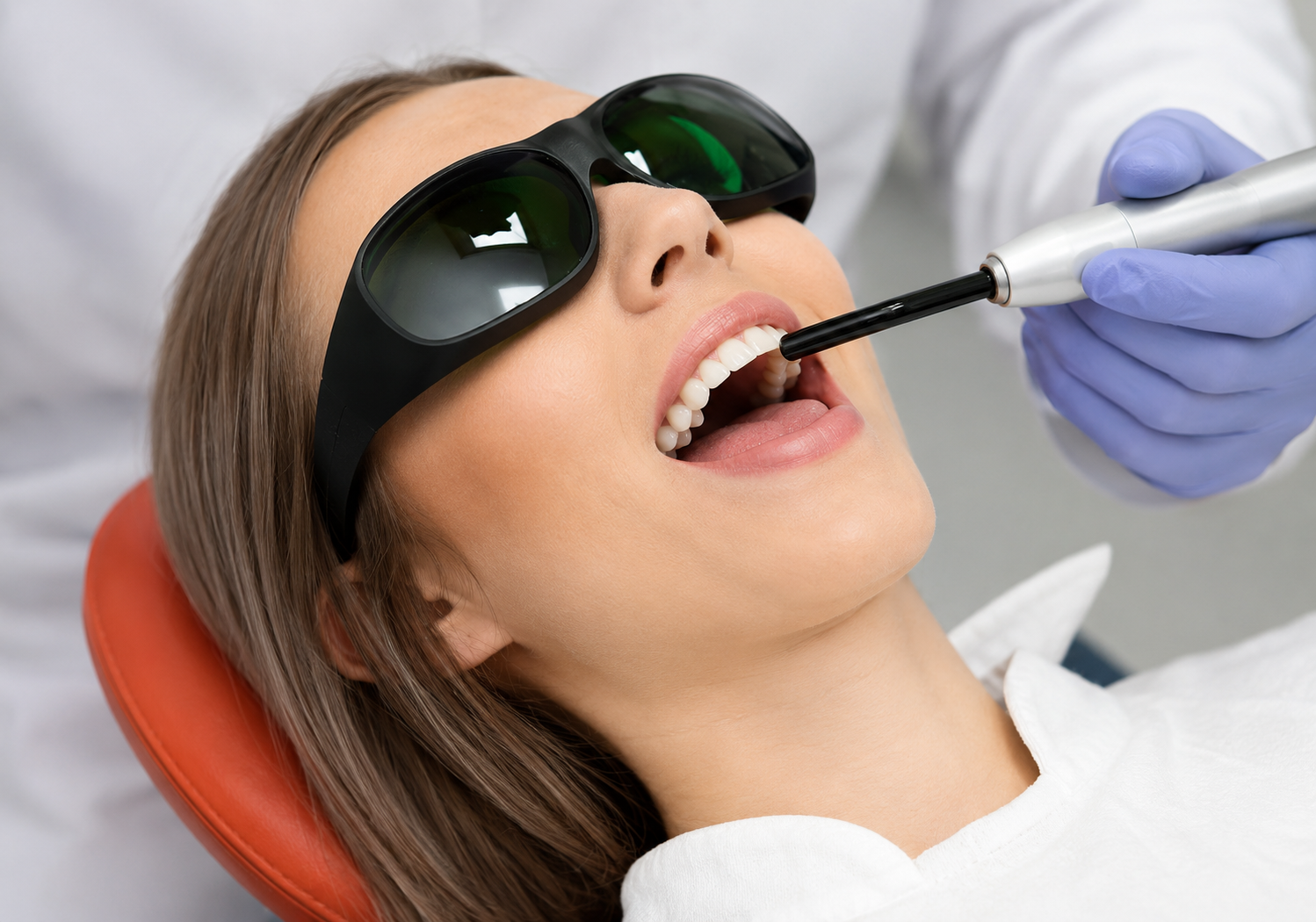
More comfortable treatment when it fits your care
Laser-assisted dentistry is well established in our field — and for many patients, it can mean a gentler experience than traditional tools alone.
Treatments that do little to alter healthy, natural surrounding tissue are generally better tolerated and less traumatic. Many patients appreciate that laser care can require little or no anesthetic when clinically appropriate — because the approach is designed to be light touch.
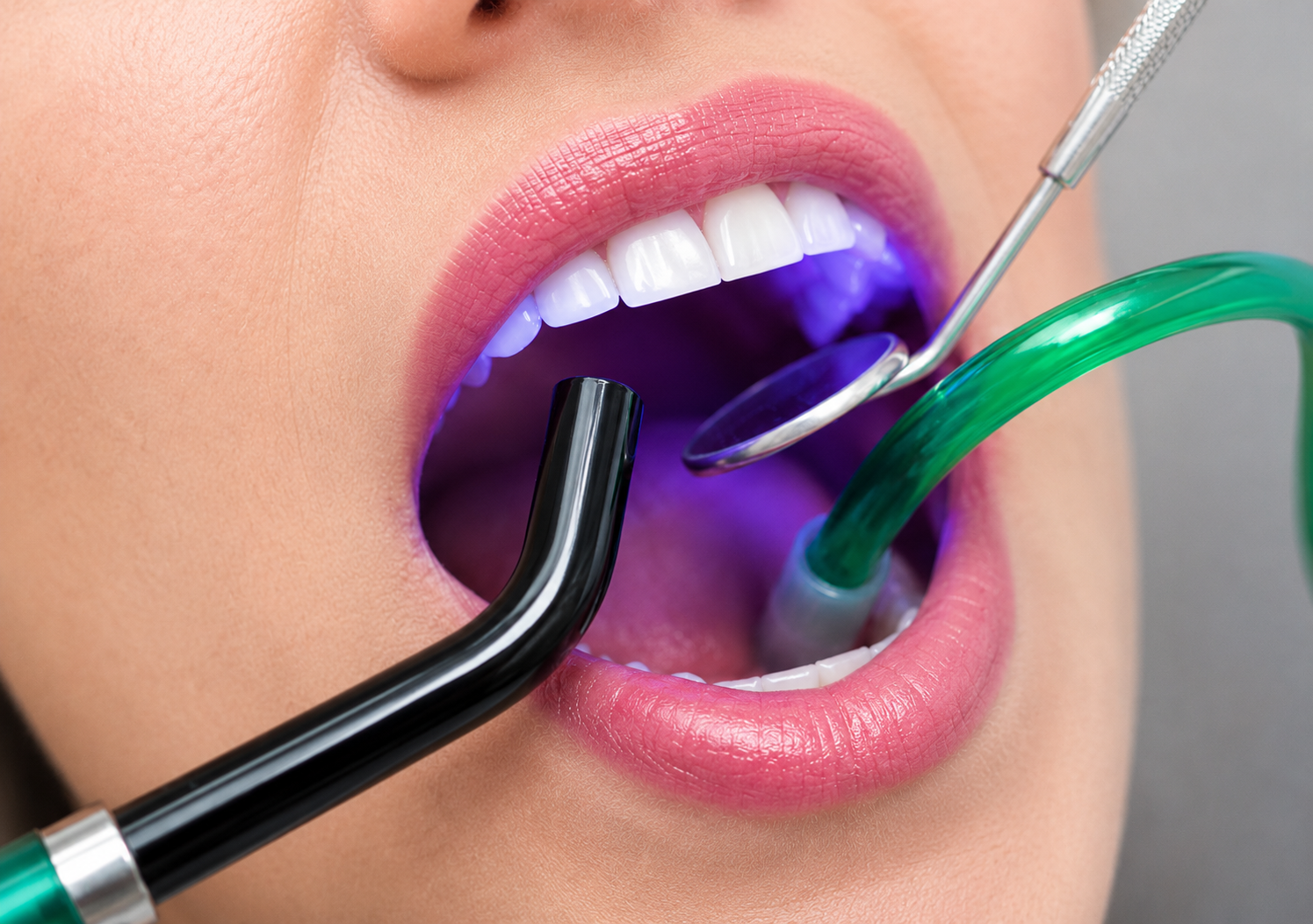
Light-touch care that respects healthy tissue
At Longmont Dental, we like that lasers can target diseased or damaged tissue precisely. In doing so, only the injured area is affected and surrounding tissue is preserved.
Such precision and light-touch dentistry is also well-suited for young or fidgety patients. The highly targeted nature of this technology can mean less time in the treatment chair — without sacrificing the thoroughness your dentist recommends.
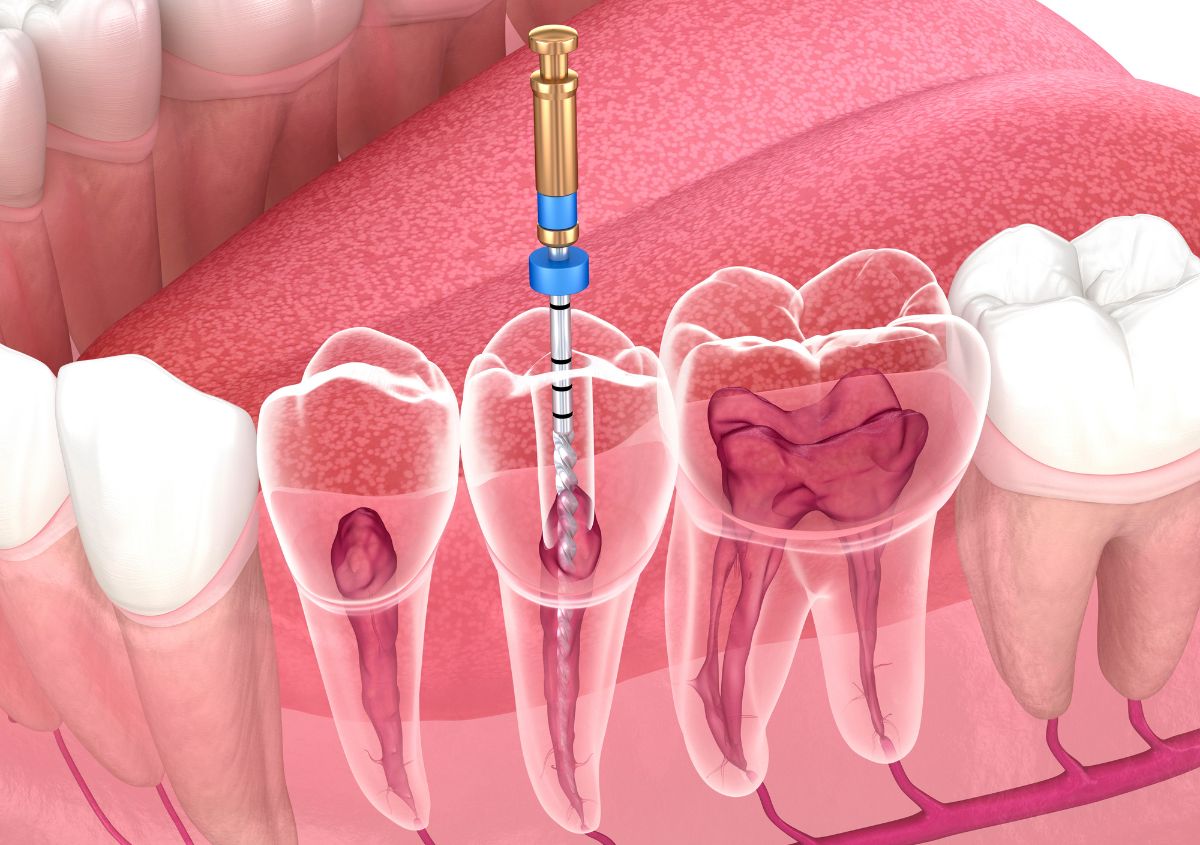
Root canal steps vary by tooth and case. Your dentist will explain what to expect.
A calmer option for anxious patients
Lasers are particularly appropriate for patients with a history of dental fear and anxiety. These patients appreciate that laser use can eliminate or minimize the need for many fear triggers — such as the dental drill, cutting tools like scalpels, and needles.
Laser dentistry is quieter, eliminating the whine, heat, or vibration of drills — some of the biggest triggers for dental anxiety. It is also comfortable and minimally invasive, which can make complex procedures faster and simpler when your dentist determines laser care is right for you.
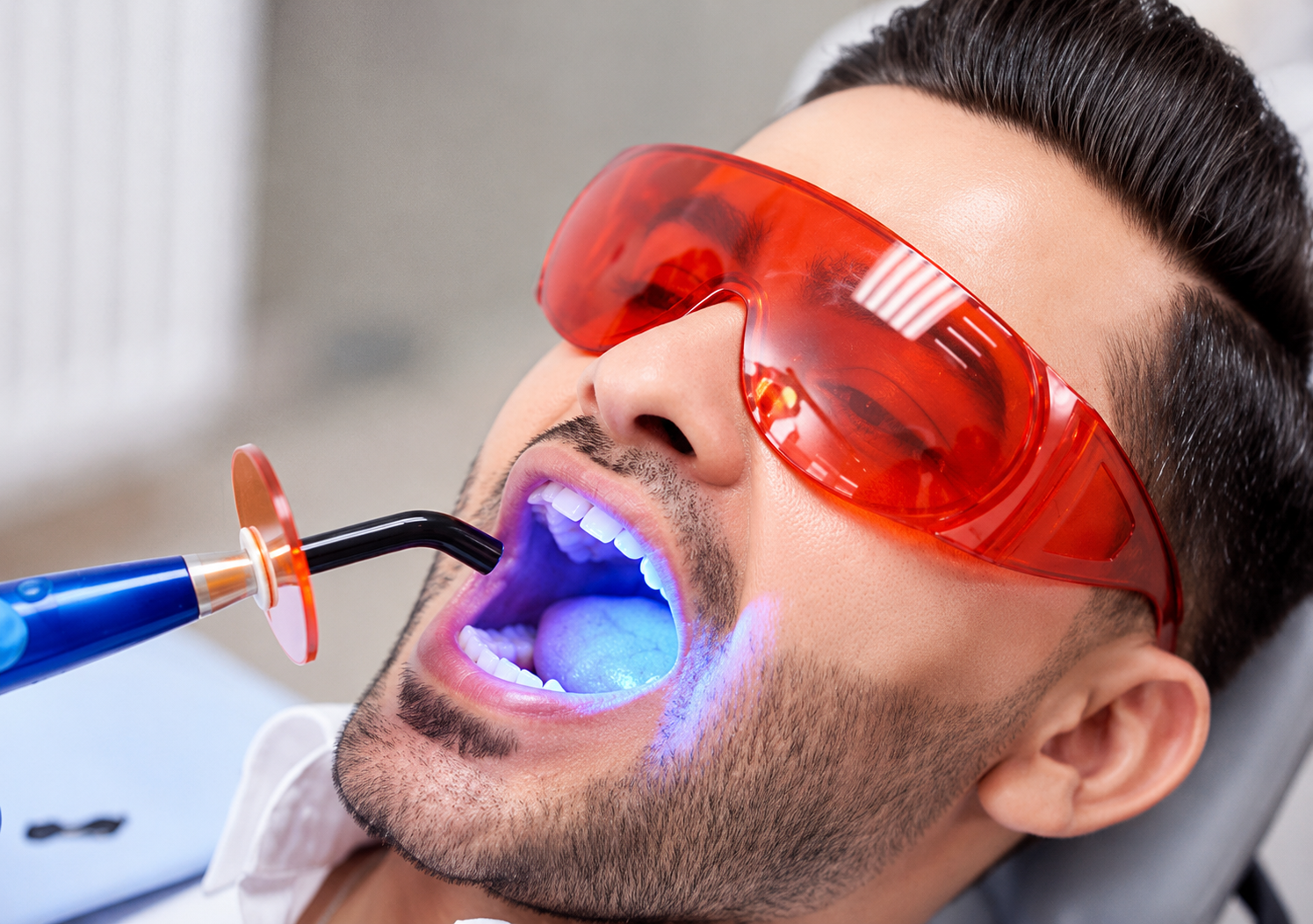
Treated like family from the start
At Longmont Dental, we believe all patients deserve to be treated as valued visitors — and as the extensions of our family that they eventually become. It is our privilege to roll out the red carpet for you and your family members.
Not only does our team exude warmth, but Dr. Kurt Knechtel has invested in technological advancements that support our ability to provide precise, comfortable, and safe treatment — always in service of people, not gadgets.
Tools chosen to support your comfort
From the 1960s onward, laser dentistry has transformed how dentists deliver care — and Dr. Knechtel selects from a wide variety of laser systems depending on their features and the procedure at hand.
Soft- or hard-tissue lasers are handpicked for specific applications. That thoughtful matching — not one-size-fits-all technology — helps ensure treatment supports your comfort and clinical needs.
Understanding how laser care works
All dental lasers are based mainly on the same principles: the laser emits a beam of light. The light generates energy, which interacts with oral tissues.
Earlier-generation lasers were designed to cut through and coagulate soft tissues, such as the gums that support your teeth. Systems have since been developed to work with hard tissues such as enamel and dentin. Your dentist explains which approach fits your treatment — and what you can expect at each step.
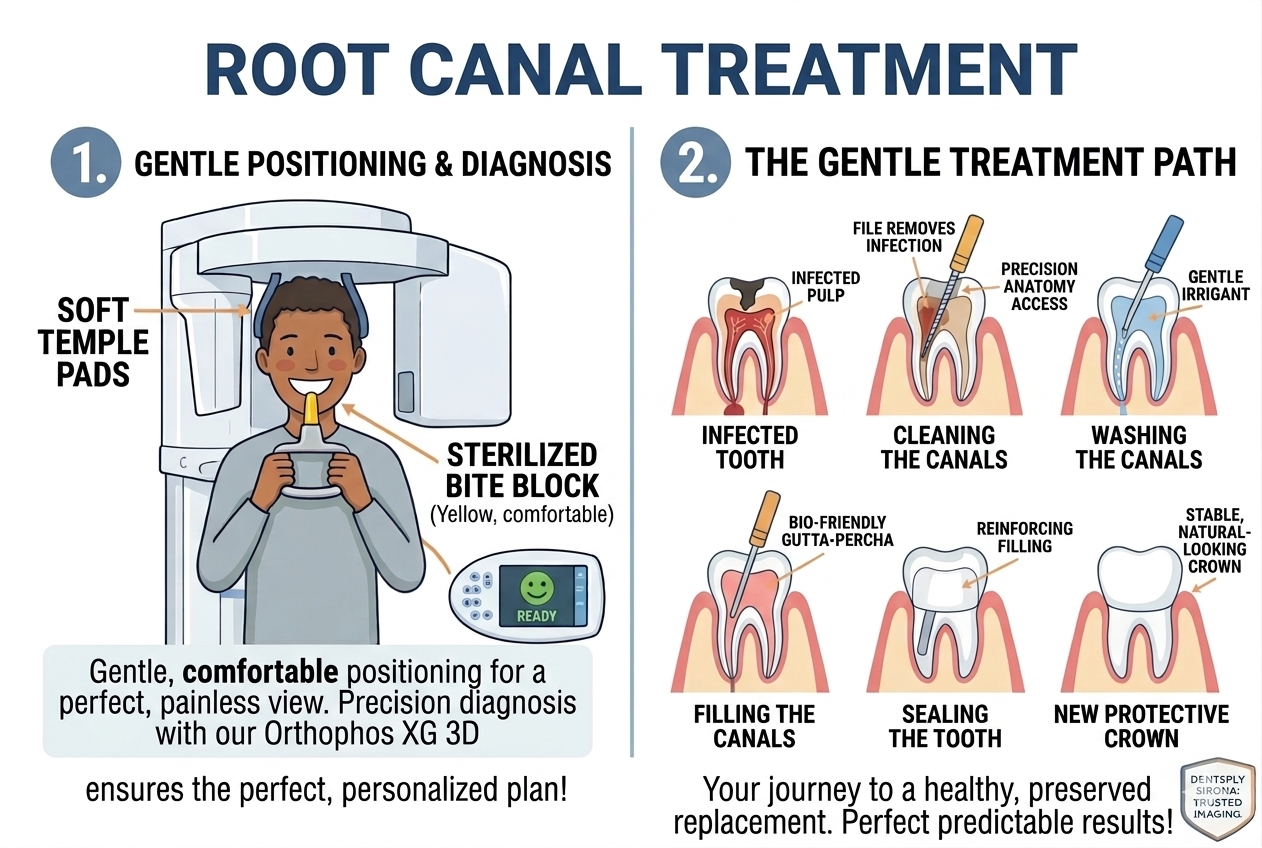
Whether root canal treatment is appropriate depends on your exam, imaging, and tooth condition.
Precision when appropriate
Depending on their features and capabilities, lasers can support many types of care — from periodontal therapy and gingival recontouring to preparing for restorative treatments and treating canker or cold sores.
Laser dentistry is not the right tool for every procedure. One practical limit is that a laser cannot place a filling between teeth — traditional instruments still finish that step. When laser care is appropriate, the goal is to address the problem area while preserving healthy tissue around it.
When laser care may be part of your plan
In everyday care, Dr. Knechtel may use laser energy for gum (periodontal) therapy in tight spaces around the teeth, gentle gingival shaping, cold or canker sores, frenectomy (lip or tongue tie) when indicated, and cavity preparation with less drill vibration and noise.
Laser light can cut or vaporize targeted tissue and often cauterizes as it works, which may mean less bleeding and, for some soft-tissue visits, fewer sutures. Root canal visits may include laser-assisted cleaning when it fits the tooth — see our root canal guide for that path rather than repeating it here.
Laser dentistry can also be used in some cases to tighten tissues at the back of the throat involved in obstructive sleep apnea — your dentist and physician can discuss whether that applies to you. Every plan starts with an evaluation of what you need, not what technology is available.
What recovery may feel like
Recovery depends on the procedure. Cavity preparation with a laser often has little downtime. Soft-tissue or periodontal visits usually need more rest — many patients return to normal activity in about three to five days, though your own timeline can be shorter or longer.
Mild, short-lived swelling can happen. Your dentist will explain what to expect for your specific treatment and when to call if something does not feel right.
Ask us what would help you feel at ease
If you are ready to explore whether laser dental care is appropriate for you, we are here to walk you through your options without pressure.
Call (720) 815-4733 and schedule an appointment with our team at Longmont Dental — serving Longmont, Boulder County, and Northern Colorado.
Laser Dentistry / Fotona LightWalker explainer
Laser care is selected when it fits the procedure and the patient, with the goal of treating the right area precisely and comfortably. At Longmont Dental, the technology supports calmer care from a team patients know.
How does laser dentistry change the visit experience?
Laser Dentistry / Fotona LightWalker explainer
Laser care is selected when it fits the procedure and the patient, with the goal of treating the right area precisely and comfortably. At Longmont Dental, the technology supports calmer care from a team patients know.
How does laser dentistry change the visit experience?
- 1
Assess the need
Your dentist first confirms whether laser care is appropriate for the tissue and treatment goal.
- 2
Choose the laser approach
Soft- or hard-tissue settings are selected for the specific application.
- 3
Target the problem area
Light energy interacts with oral tissues so diseased or damaged areas can be treated precisely.
- 4
Preserve comfort
When clinically appropriate, the light-touch approach can reduce common fear triggers and support easier recovery.
Laser dentistry is not right for every procedure. Your dentist will explain whether it fits your treatment.
Laser dentistry questions
Answers about gentle, light-touch laser care at Longmont Dental — from our prepared patient information.
Ready for dental care that feels like family?
Start with the simplest next step: request an appointment, call the office, or get directions before your first visit.
Use the Call, Directions, or Request options below to get started.